
A five-day workwear plan is an outfit map, not a requirement to own a particular number of clothes. Choose pieces that fit your working week, then assign combinations to days according to meetings, travel and laundry rather than repeating a rigid formula.
Select a small working group
Start with three tops, two suitable bottoms and two optional dupattas from your wardrobe. Choose items you already know fit comfortably. Include shoes and a bag that can work across several days, but do not force one pair to suit every task.
For this example, imagine a plain navy kameez, a cream shirt with a blue print and a muted rose top. Add navy and cream trousers, plus a quiet blue dupatta and a patterned one that connects the colours. Substitute your own preferred palette.
Draw the week before getting dressed
| Day | Example combination | Reason to choose it |
|---|---|---|
| Monday | Navy top and trousers, patterned dupatta | A familiar start for a busy morning |
| Tuesday | Printed cream shirt, navy trousers | The print supplies the main detail |
| Wednesday | Rose top, cream trousers, blue dupatta | A different colour relationship |
| Thursday | Navy top, cream trousers | A clear change through contrast |
| Friday | Printed shirt with the available suitable bottom | A flexible combination around the week’s needs |
The table is a styling example, not a schedule for wearing garments without appropriate care. Adjust the rotation to your laundry routine and each item’s condition. You may need more tops or bottoms than the example uses.
Match the combinations to the diary
Put your most reliable outfit on the day with the least preparation time. For a presentation, choose a combination whose sleeves and neckline you have tested while standing and speaking. For a long seated day, prioritise the trouser fit.
If your week includes a client lunch or dinner afterwards, prepare the small change in advance. Avoid turning every day into a separate shopping brief. The purpose of the map is to reduce decisions, not create five new wardrobes.
Identify only the real gaps
Try the combinations before deciding something is missing. If one top works with only one bottom, ask whether the limitation matters. It may still be useful as a complete outfit. A versatile purchase should solve a problem you actually have.
Browse women’s essentials when the map reveals a specific missing separate. Check the actual colour, measurements and included pieces rather than assuming a product will match from its name.
Review after wearing
At the end of the week, note which outfits felt easy and which needed adjustment. Keep the successful combinations in your phone. Use an outfit photo library to remember them, and consult planning a trouser rotation if the same bottom appears in every useful look.
Continue exploring Everyday Style or browse the Feyorawears Style Journal.
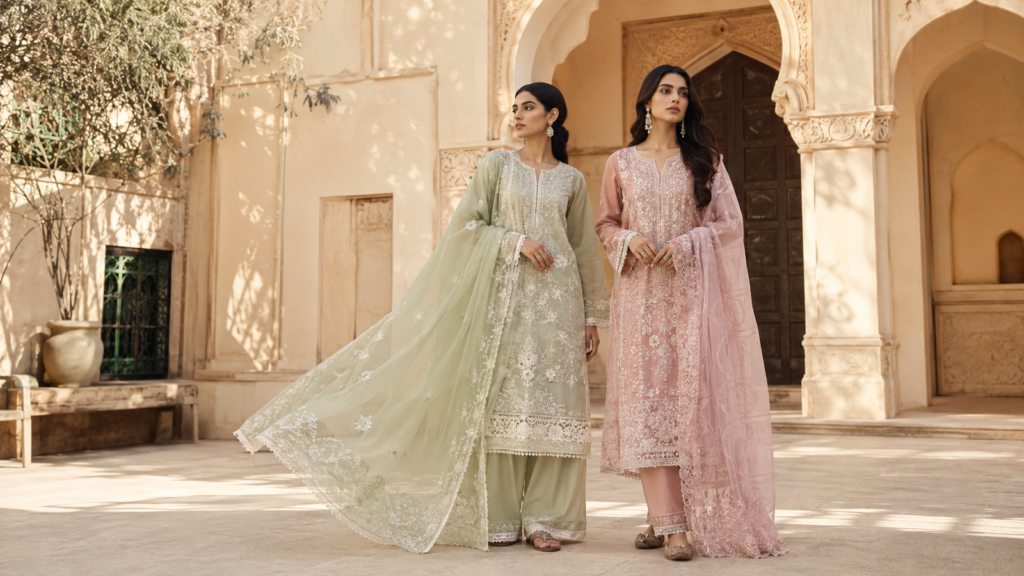
Featured image: Feyorawears editorial illustration.