A made-to-order outfit begins with an agreement about what will be made. A reference photograph and a size label are rarely enough to capture every choice. Before paying, turn the design into a written scope that both you and the maker can review.
This guide describes a planning method for a service offered by a seller or tailor. It does not imply that feyorawears offers custom production or any particular alteration service.
List the components and the finished shape
Name the shirt, trousers, dupatta and any underlayer separately. Describe the silhouette, neckline, sleeves, openings, pockets and finished lengths that matter to you. Identify which details in a reference image are inspiration and which have been specifically agreed.
Do not expect a maker to infer your coverage preference or usual trouser rise. Record those decisions directly, using a sketch or annotated reference if that helps.
Agree how measurements will be taken
Ask whether the maker needs body measurements, garment measurements or an in-person appointment. Follow their method and label the units. If using a garment as a reference, explain what you like about its fit and what you want changed.
Keep the agreed measurement sheet attached to the order. If a later message changes a length, update the working sheet rather than leaving two conflicting figures in different conversations.
Define materials and substitutions
Record the stated fabric for each component, the lining arrangement and the decoration to be supplied. Where composition is unknown, preserve that uncertainty instead of upgrading a trade name into a fibre claim.
Ask what happens if a material or trim becomes unavailable. A substitution should have its own explanation and approval process. Similar colour or a familiar fabric name does not establish that the proposed replacement matches the original specification.
Use a scope example
Imagine commissioning a long shirt with a border and straight trousers. Your brief could specify the finished shirt length, sleeve opening, border location, trouser measurements and whether a lining is included. Beside each, mark “confirmed,” “awaiting measurement” or “awaiting material choice.”
A price should be read alongside those entries. If the lining remains undecided, ask whether the quote includes it or will change. Do not treat an incomplete design discussion as a fixed complete specification.
Discuss the process as carefully as the design
- What does the quoted total include?
- When are measurements and design approval required?
- How many fittings or adjustments are included, if any?
- How are later changes priced and approved?
- What are the relevant cancellation and delivery terms?
- Which stage does the completion date refer to?
These questions help you understand the service being offered without assuming standard terms across different makers.
Before committing, read the final brief once from start to finish. Remove contradictions, resolve essential blanks and save the approved version. A clear scope makes later conversations about progress and fit much more concrete.
For the next step, read developing a tailoring brief and separating production from delivery.
Use the component information in the unstitched collection when discussing a proposed outfit with your chosen maker.
Continue exploring Quality & Buying or browse the Feyorawears Style Journal.
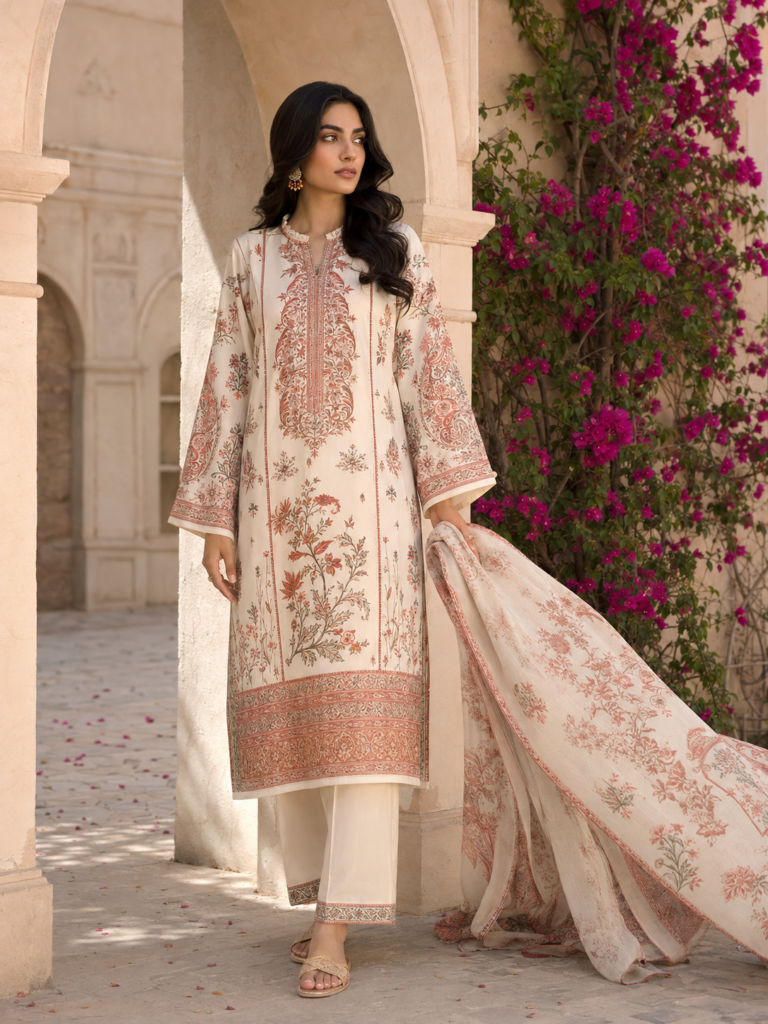
Featured image: Feyorawears editorial illustration.