
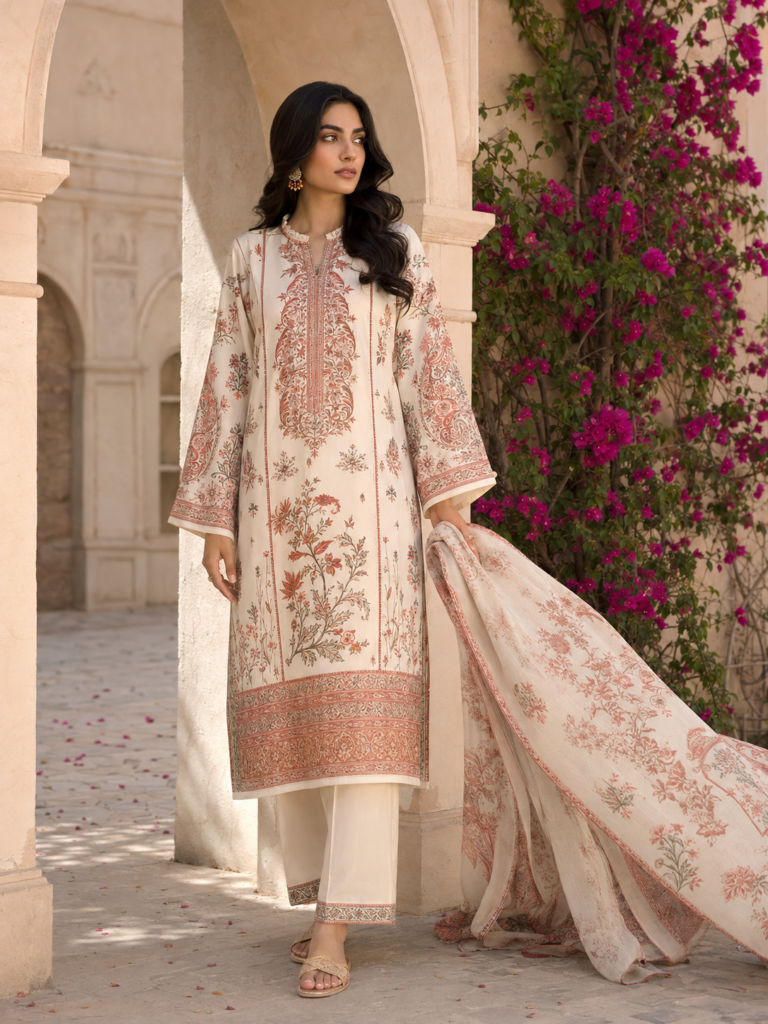
Made-to-Order Clothing: Agree the Scope Before Paying
Define a made-to-order outfit through components, measurements, materials, approvals and change rules, so the written brief matches the garment you expect.
Inspect garment details, compare specifications and prepare useful questions before ordering clothes.
Define a made-to-order outfit through components, measurements, materials, approvals and change rules, so the written brief matches the garment you expect.
Request a small set of useful actual-item photographs that shows construction, included layers and the detail you need, without relying on campaign styling.
Use a fabric swatch to ask better questions about a finished outfit, while checking that colour, construction and the supplied material are actually comparable.
Judge a clothing sale against the actual item, included components and complete cost, so a discount percentage does not replace a useful buying decision.
Turn an incomplete clothing listing into a short, ordered enquiry about contents, measurements, materials and timing, then decide what must be confirmed first.
Read an exchange policy as a buying checklist: identify the item covered, deadlines, condition rules, return route and unresolved questions before checkout.
Create a compact clothing order record with the agreed specification, item code, receipt and relevant messages, so later questions have one clear reference.
Inspect the contents, condition and key dimensions of a delivered suit before washing, cutting or alteration, using a simple receiving checklist and record.
Explain a clothing fit problem using its location, movement, garment dimensions and clear photographs, so customer support can understand the specific issue.
Plan a pre-order outfit by separating production, dispatch, delivery and fitting stages, then confirm dates and dependencies before relying on it for an event.