
A sale label is a price signal, not a description of the garment. Before deciding that an outfit is good value, establish what is included, whether it fits your needs and what remains to be spent before you can wear it.
This approach does not require you to avoid discounts. It helps you compare discounted and full-price options using the same practical information.
Identify the exact option behind the price
Check the item code, colour, size and piece count associated with the displayed amount. If several variants appear together, confirm the price for the option you intend to choose. Read the final item summary before payment rather than relying only on a collection card.
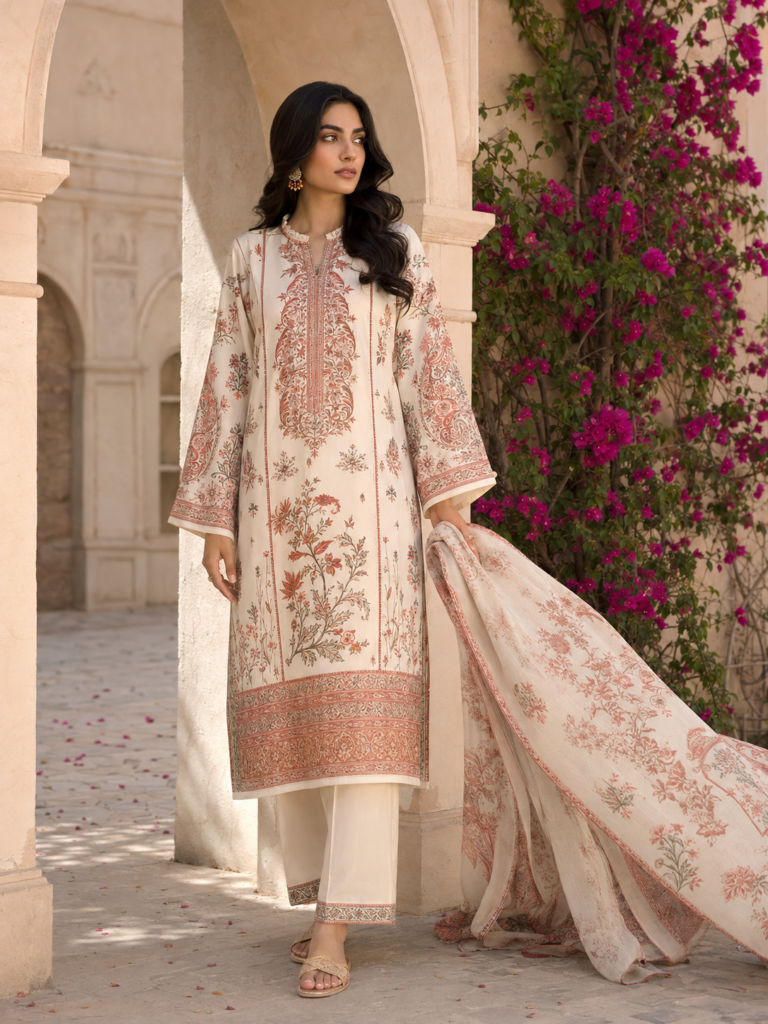
A photograph showing a complete outfit may accompany a shirt-only listing. Use the written contents to determine what the sale price buys.
Separate the displayed saving from your own budget
Where a previous price is shown, record it as the seller’s displayed comparison price. Do not treat it as proof of what every customer paid earlier or of the garment’s quality. Your immediate decision concerns the amount you would pay now and the outfit you would receive.
Keep any additional cost visible: a missing trouser, necessary alteration, delivery or underlayer. A large percentage reduction can still lead to a purchase outside your complete budget.
Work through a hypothetical comparison
Imagine Shirt A has a large advertised discount but needs matching trousers. Suit B has no discount and includes the top and bottom you need. Write the confirmed current price and required extras for each.
If you already own trousers that work with A, mark them as owned. If you would have to buy them, include that cost. The comparison can change depending on your wardrobe, even though the advertised discount stays the same.
Do not add unnecessary accessories just to make either option feel complete. Define the outfit first, then calculate that outfit consistently.
Read the applicable terms alongside the price
Check whether the seller states different exchange conditions for discounted items. If your choice depends on a later size exchange, confirm the relevant process before buying. Do not assume the full-price terms apply unchanged.
Also distinguish an available option from a displayed but unavailable one. A low price on a size you cannot select is not a solution to your current wardrobe need.
Use a short pause checklist
- Would I consider this garment without the discount message?
- Does the selected size have adequate measurement information?
- Are all necessary components included or already owned?
- Have I calculated the actual total?
- Do I understand the terms for this purchase?
If the only clear answer is that the percentage looks attractive, return to the specification. A considered sale purchase has a role in your wardrobe and enough information to support the choice. The discount can be a benefit without becoming the whole reason to order.
For the next step, read comparing separates and sets fairly and reading exchange conditions.
Evaluate each offer in the feyorawears collection through its actual contents and your complete outfit plan.
Continue exploring Quality & Buying or browse the Feyorawears Style Journal.
Featured image: Feyorawears editorial illustration.