
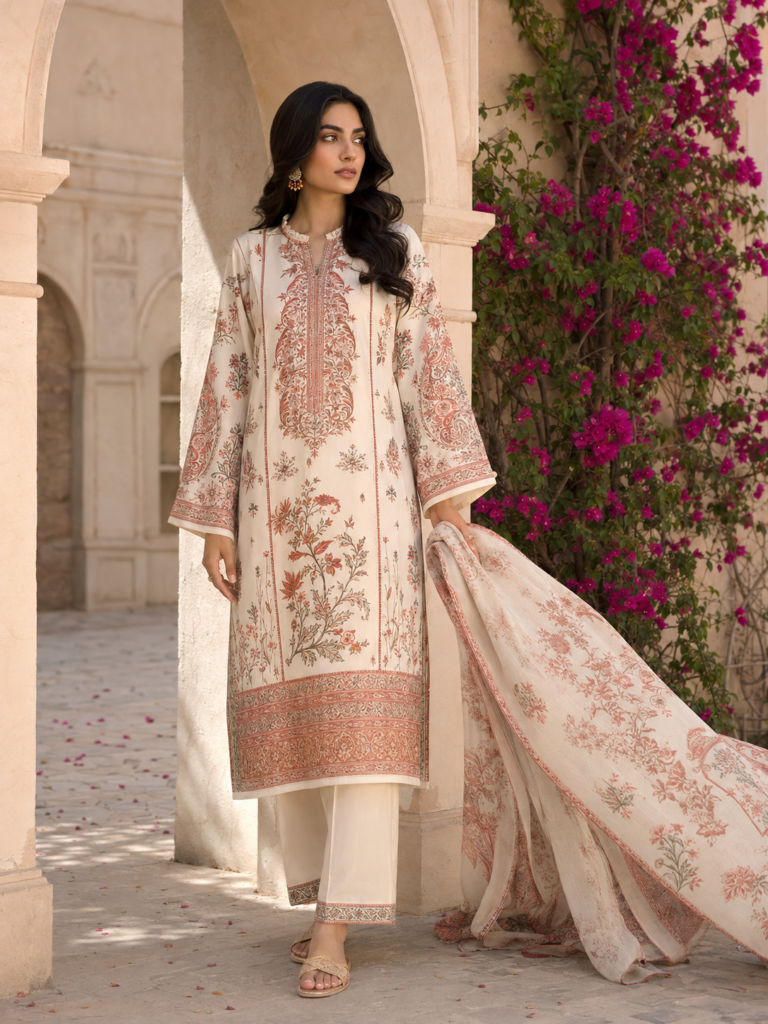
A fabric swatch can help you examine a material, but it is not a miniature finished outfit. It does not show the garment’s lining, seam placement, embroidery coverage or complete silhouette. Use it as one reference within a broader comparison.
Before drawing conclusions, establish what the swatch represents. Ask whether it comes from the material intended for your order or is a general example of a fabric sold under the same name.
Label the sample before comparing it
Record the seller, product reference, colour name and any stated composition. Note the date received and whether the seller has confirmed a connection to the intended garment. If that connection is uncertain, keep “representative sample” separate from “confirmed order material.”
Do not authenticate fibres from touch or appearance. A composition claim needs its own documentation or accurate seller specification. Your impressions of softness or texture describe your experience, not a laboratory result.
Compare like with like
Look at the swatch and the garment reference under similar lighting where possible. Remember that a flat sample and a layered garment present different arrangements. Ask about the lining, underlayer and embroidery that would sit over or beneath the cloth.
If you are matching existing trousers, place the swatch beside those trousers rather than beside a screen image of them. Decide whether you want a close match or a deliberate contrast; the two goals require different judgements.
Use a practical matching example
Imagine you want a new shirt to work with a cream dupatta. A seller sends a pale fabric sample. In daylight, the sample looks warmer than the dupatta, although both were described as cream.
You could choose the contrast intentionally, ask about another shade or decide the combination does not suit your plan. None of those choices requires declaring either colour description wrong. The useful result is that you assessed the actual pairing before ordering.
Ask what changes in the finished piece
- Will the shirt use this material throughout or only in selected panels?
- Is a lining included, and what area will it cover?
- Will embroidery or printing change the visible surface?
- Is the supplied colour expected to come from the same material batch?
- Are there separate materials for the sleeves, trousers or dupatta?
A small sample may not include a print’s full repeat or a large motif. Request the complete panel layout when that affects the design you intend to make.
Keep the sample without experimenting on the order
Store the swatch with its label and your notes. Do not assume a washing or pressing experiment on a small sample authorises the same treatment for an assembled garment with different trims and layers. Follow the finished item’s care instructions.
If a seller proposes a substitution, compare the new written specification and sample with the agreed brief. Approve the actual change deliberately rather than assuming a similar fabric name makes the two options identical.
For the next step, read requesting useful actual-item photographs and recording materials in a made-to-order brief.
Compare the unstitched collection specifications with any sample information before planning a finished design.
Continue exploring Quality & Buying or browse the Feyorawears Style Journal.
Featured image: Feyorawears editorial illustration.