
A trouser rotation is useful when the bottoms you need are available and work with the kurtas you actually wear. It does not require a fixed number of pairs or every possible neutral colour.
Begin with a small group of frequently worn shirts. Your aim is to see which trousers serve them well, where the fit changes between combinations and what happens when a favourite pair is unavailable.
Test each kurta with its usual bottom
Put on the combination with the shoes you normally use. Notice where the shirt hem meets the trouser shape and how the waistband sits when you move. A pair that works beneath a long kameez may create a different balance with a shorter kurta.
Record the exact pair rather than “black trousers.” If you own two black bottoms with different rises or widths, their jobs may be different.
Make a rotation map
List your main kurtas and the trousers that work with each. Mark the combinations you have tested, then identify any single pair that carries most of the wardrobe. That dependence is the practical point to investigate.
Suppose three work kurtas all rely on one straight ivory pair. When it is being cared for, you either repeat a less comfortable option or stop wearing those shirts. A second compatible bottom might solve that gap more directly than another kurta.
It does not have to be an identical copy. A deliberate alternative colour or shape can work if you test it with the same shirts.
Check fit before treating colour as solved
- Compare waistband construction and preferred rise.
- Note the hip and thigh room you find comfortable.
- Check standing and seated length with the relevant shoes.
- Assess whether pockets change the way you use the pair.
- Confirm any lining or coverage requirement.
Use a comfortable existing pair as a measurement reference where the seller’s method allows. Do not assume a familiar size letter will reproduce its fit.
Plan around actual care intervals
Think about how often the trousers you use are unavailable for care and how long your routine takes. Follow each item’s instructions rather than assigning a universal washing schedule. The number of pairs you need depends on your use, preferences and practical access to clean clothing.
A spare pair is useful only if it is comfortable enough to wear. An unworn backup with an awkward waistband does not remove the bottleneck in your rotation.
Review the map after a normal week
Notice which combinations you repeated and which you avoided. If a new pair remains unused, ask whether the issue is fit, proportion, colour or habit before buying again.
Photograph successful pairings and keep their measurements in your wardrobe note. Over time, that record makes trouser shopping more precise and helps each new bottom earn a clear place among the shirts you own.
For the next step, read checking trouser rise and matching trouser shape with shoes.
Use the women’s essentials collection to compare bottoms for the specific combinations in your rotation map.
Continue exploring Wardrobe Planning or browse the Feyorawears Style Journal.
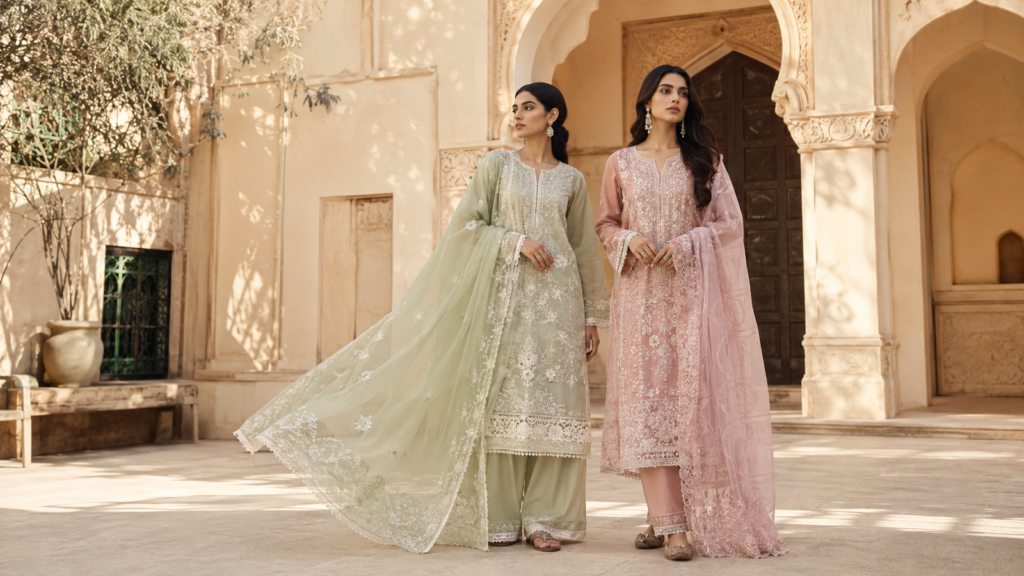
Featured image: Feyorawears editorial illustration.