
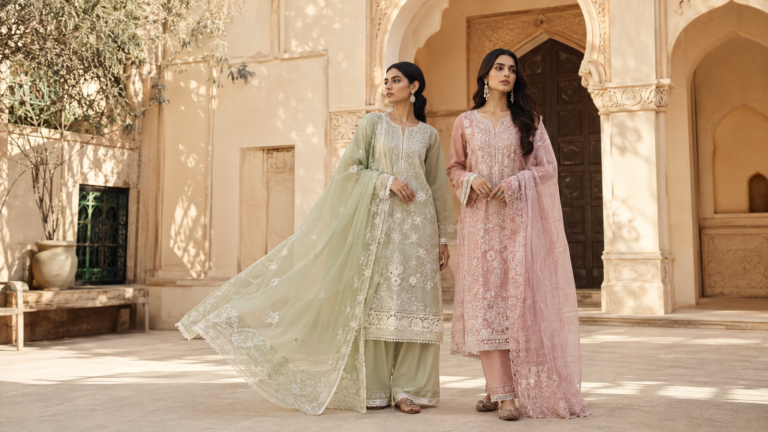
Shopping for One Wardrobe Gap: Keep a Focused Shortlist
Keep a clothing shortlist focused on one wardrobe gap by setting requirements, limiting comparisons and recording unresolved details before you add unrelated pieces.
Plan useful purchases, complete outfits and a wardrobe that fits your actual routine.
Keep a clothing shortlist focused on one wardrobe gap by setting requirements, limiting comparisons and recording unresolved details before you add unrelated pieces.
Plan winter outfits around the places you actually spend the day, testing layers, sleeves and changing indoor conditions before buying another seasonal suit.
Build a homewear rotation from your actual change habits and laundry timetable, identifying ready-to-wear gaps without imposing a universal washing schedule.
Plan family occasionwear spending with individual priorities, shared costs and private fit choices, so coordination does not require identical outfits or budgets.
Test a new wardrobe colour against real garments, planned outfits and your preferred level of contrast, using a small comparison before committing to a purchase.
Refresh your wardrobe from the clothes and plans you already have, using a seasonal review that separates useful replacements from tempting duplicate purchases.
Find which trousers, dupattas or layers would complete outfits you already own, using a simple pairing audit before adding more full suits to your wardrobe.
Plan occasionwear spending across your real event calendar, with separate lines for clothing, alterations and optional accessories before choosing a new outfit.
Estimate an outfit’s cost per wear from realistic occasions and confirmed expenses, with simple scenarios that keep hoped-for use separate from actual use.
Build a searchable outfit photo library with useful labels for pieces, occasions and fit notes, so successful combinations are easy to repeat when you need them.