Cost per wear can be a helpful comparison, but only if the number of wears is believable. Dividing a purchase by an optimistic lifetime of use can make almost any outfit appear economical. Start with occasions you can reasonably name, then keep possible future use separate.
The calculation is a planning tool, not a prediction of garment lifespan or a promise that an item will remain suitable indefinitely.
Define the cost you are comparing
Begin with the purchase price and necessary alterations. You may include delivery and known preparation costs if you apply the same approach to every option. Label what is included so you do not compare one garment’s full cost with another’s price tag alone.
Optional accessories should be handled consistently. If you would buy them solely to make the outfit wearable as planned, include them. If you already own them, do not count their full original cost again without a clear reason.
Use conservative and hopeful scenarios
Suppose an outfit’s complete initial cost is PKR 12,000. If you can name four likely wears, the simple estimate is PKR 3,000 per wear. If you later wear it eight times, that becomes PKR 1,500 before any additional costs.
These figures are an arithmetic example, not a product price or a recommended spending level. The difference between the scenarios shows how strongly the estimate depends on actual use.
Do not present the eight-wear figure as certain just because it feels more attractive. Write both and decide whether the purchase still makes sense in the conservative scenario.
Count occasions with enough detail
“Many weddings” is not a useful count. “Two confirmed family events and two dinners where I would choose this outfit” gives you something to examine. Consider whether the garment’s fit, care and level of detail suit those plans.
For separates, count use of the components honestly. If you expect to wear the trousers frequently but the shirt rarely, note that difference rather than pretending every outing uses the complete set.
Compare usefulness beyond the fraction
- Does the outfit meet a need that existing clothes do not?
- Can you manage the care it requires?
- Is the fit comfortable for the occasions being counted?
- Would you choose it if your expected use were halved?
- Does buying it prevent another more necessary purchase?
A low estimated cost per wear is not the only valid reason to own clothing. A particular occasion may matter enough to you even when repeat use is limited. The calculation should clarify the choice, not shame it.
Replace estimates with observations
After wearing the outfit, add the date to a simple note. Record any additional actual cost separately. Over time, this gives you a better basis for understanding which pieces suit your routine.
Use those observations when planning the next purchase. Your own wearing history is more useful than assuming every new item will become your most-used outfit.
For the next step, read planning occasionwear spending and keeping an outfit photo library.
Assess a shortlisted piece from the feyorawears collection against named occasions and a realistic use scenario.
Continue exploring Wardrobe Planning or browse the Feyorawears Style Journal.
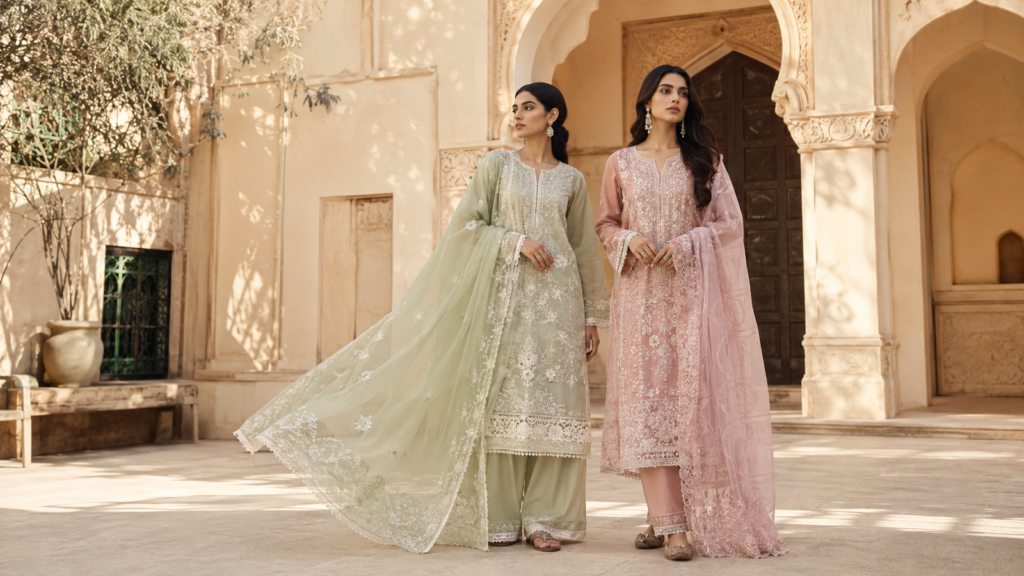
Featured image: Feyorawears editorial illustration.