
Choosing between elastic and fixed waistbands is a personal use decision as well as a visual one. Look at the actual construction and the measurements supplied for the pair you are considering. A familiar waistband type does not guarantee an identical fit across different trousers. Compare where the garment sits, how you put it on and how it feels through the activities you expect to do.
Use one reference pair for each preference
If you own trousers you enjoy wearing, note the waistband details that make them useful. You may like an easy opening, a particular fastening, a stable position or a smooth appearance under a shirt. Keep those preferences separate so one word such as comfortable does not have to explain everything.
Also note what you dislike in another pair, if relevant. A waistband that needs repeated adjustment gives you a specific concern to discuss. Avoid treating that experience as proof that every garment with the same construction will behave identically.
Read the chart carefully
For an elasticated design, ask whether the chart gives a relaxed measurement, an extended measurement or both, and how those figures were obtained. For a fixed waistband, confirm whether the number is a laid-flat width or a full circumference. Do not compare unlike figures as though they describe the same thing.
Check hip, rise and garment length information alongside the waist. A waistband choice does not resolve the rest of the fit. Ask the seller or tailor to explain missing measurements that matter to your reference pair.
Try a realistic long-wear sequence
Put on the trousers with the intended shirt and footwear. Stand, sit at a table, walk and reach for an ordinary object. Notice whether you keep moving the waistband back to a preferred position or adjusting the shirt around it.
For a tailored pair, describe the moment that concerns you rather than requesting a tighter or looser waist immediately. The tailor can assess whether the issue relates to the waistband, the garment’s position or another part of the fit.
Check access and appearance together
Try any buttons, hooks, zip or other fastening where possible. Decide whether the opening suits the way you want to dress and whether the finished waist looks as you prefer with the shirt worn over it. If pockets are planned, include them in the fitting discussion too.
Use the trouser-rise guide for waistband position. The seated comfort checks help you evaluate the whole suit during ordinary use.
If the pair has an adjustable feature, try the intended setting rather than judging only its loosest position.
Browse women’s essentials after writing down your preferred position, fastening and measurement method. The better choice is the actual pair that supports your routine, rather than a blanket verdict that one waistband type is always more comfortable or more polished.
Continue exploring Tailoring & Fit or browse the Feyorawears Style Journal.
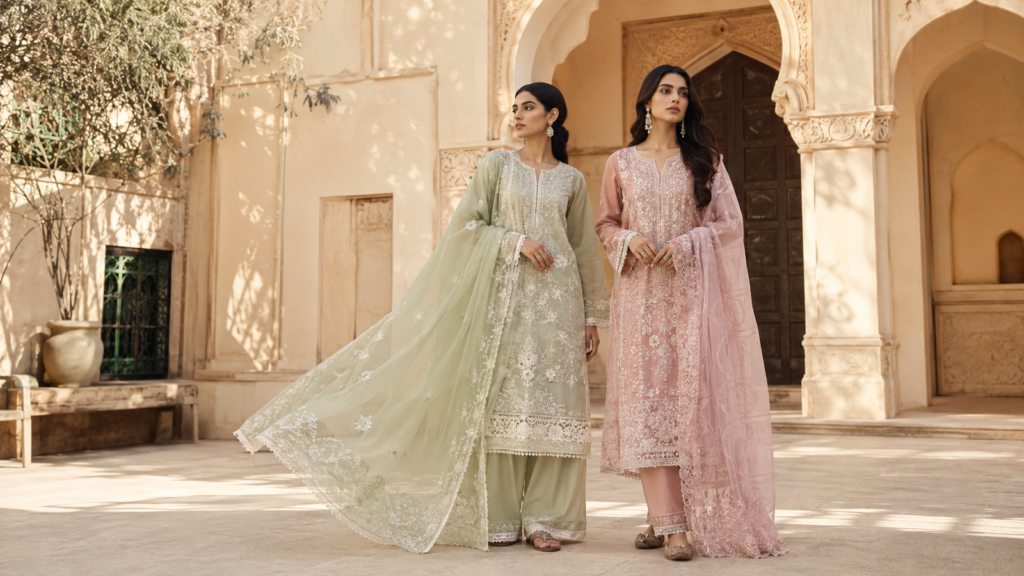
Featured image: Feyorawears editorial illustration.