
A focused shopping trip begins with a sentence: “I need one piece that does this job.” Without that sentence, an appealing collection can turn a missing trouser into several shirts, none of which completes the outfit you originally wanted to wear.
Write the gap before browsing. Make it specific enough to rule out unsuitable options while leaving room for a design you genuinely enjoy.
Define the job in practical terms
Instead of “something for winter,” try “a finished shirt that works with my navy trousers and fits beneath my existing layer.” Add the measurements, coverage and complete budget relevant to that task.
Keep optional preferences separate. You might prefer a decorative cuff but require a sleeve length that stays clear of your hands. The optional detail should not erase the requirement.
Limit the comparison to a manageable set
Choose a small number of credible options, perhaps three, and compare them on the same criteria. A shortlist is not a collection of every item you find attractive. Remove choices that clearly cannot do the job rather than keeping them because of their photographs.
Record missing information in a separate column. Ask the necessary questions before rating one item above another on an unknown feature.
Work through a missing-trouser example
Suppose your goal is a comfortable straight bottom for two long kurtas. One option has the shape you want but no rise measurement. Another has full measurements but a wider leg. A third looks attractive in a set but cannot be purchased separately.
The first needs clarification, the second needs a proportion check and the third does not meet the buying brief. This is more useful than comparing the three only by colour and price.
If the first seller cannot provide the information, you may decide not to rely on it. The shortlist should make uncertainty easier to see, not pressure you into selecting something anyway.
Keep a separate inspiration list
When an unrelated item catches your attention, save it elsewhere. Do not let it enter the active comparison unless you deliberately change the task. A later wardrobe review may show a role for it, or the interest may pass.
- Does this item solve the original gap?
- Is the selected option adequately described?
- Will necessary extras keep it within the complete budget?
- Have I tested the intended combination where possible?
- What essential question is still unanswered?
Close the decision at a clear point
Once one item meets the requirements and the important questions are resolved, decide whether to purchase it. More browsing is useful only if a real concern remains. It should not become a search for a hypothetical perfect version of a suitable garment.
After delivery, test the intended outfit while preserving the item’s condition. If the gap is solved, record the combination. If it is not, identify the reason before starting another broad search. The result you want is one usable addition, not a longer saved-items list.
For the next step, read clarifying incomplete descriptions and identifying the actual missing separate.
Bring your one-sentence buying brief to the feyorawears collection and compare only options that can fulfil it.
Continue exploring Wardrobe Planning or browse the Feyorawears Style Journal.
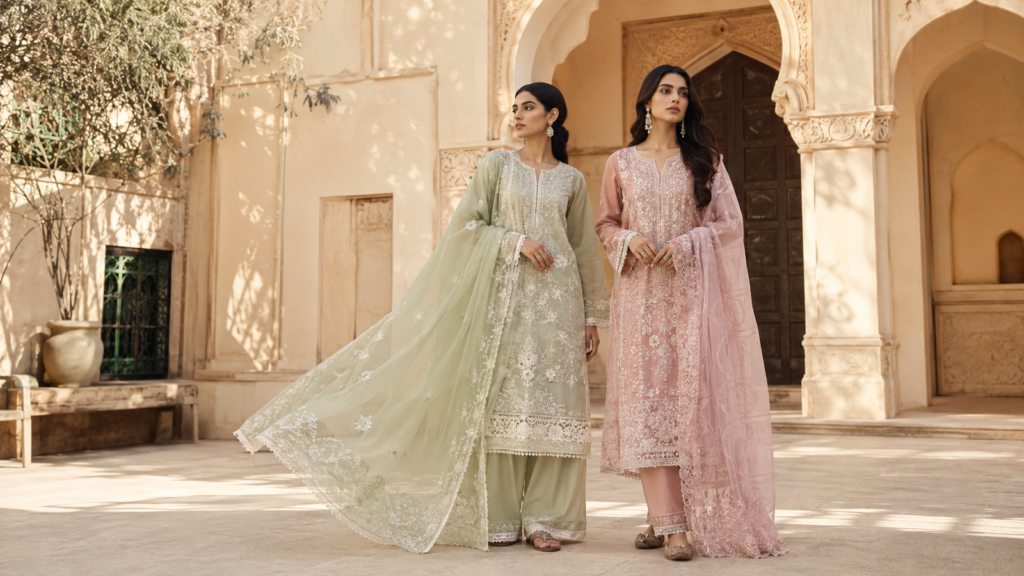
Featured image: Feyorawears editorial illustration.