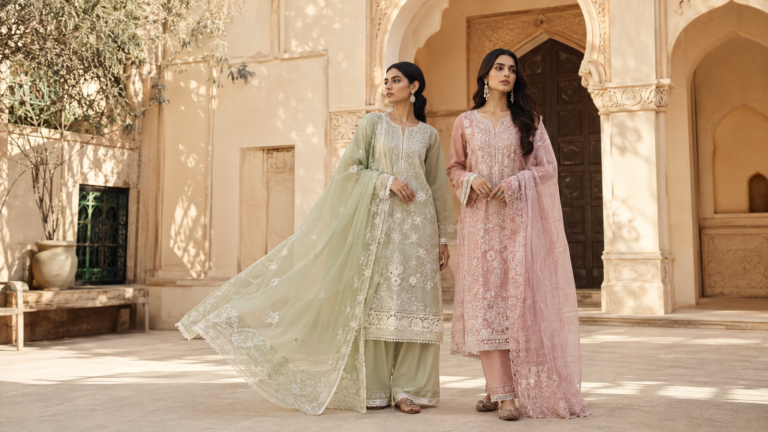
Reading a BATIK Outfit Listing: Layers, Pieces and Fabric Labels
Read a BATIK listing as a component map, separating layers, piece counts and fabric labels from assumptions about another seller’s garment or its construction.
Practical clothing guides for comparing fabrics, included pieces and measurements before you buy.
Read a BATIK listing as a component map, separating layers, piece counts and fabric labels from assumptions about another seller’s garment or its construction.
Use ETHNC composition fields as an example of reading beyond a collection name, then build a separate material record for every actual outfit you compare.
Use Maria B collection categories to organise inspiration, then translate a saved look into your own clear brief for silhouette, components, fit and practical use.
Use So Kamal’s collection structure as a starting point, then compare stitched status, included pieces and required preparation before shortlisting clothes.
Compare designer catalogs through clearly separated inspiration and product evidence, using a worksheet that avoids assuming similar-looking outfits are identical.
Discuss lining and separate slips with your tailor through coverage, neckline, movement and care questions, then compare how each option works with the outfit.
Plan pockets in a tailored suit by deciding what you will carry, testing placement and discussing the effect on seams, decoration and the finished outline.
Record neckline depth and fastenings clearly in a tailoring brief, using a familiar garment and agreed measurement points to connect appearance, coverage and access.
Prepare for a first suit fitting with the right shoes, layers and written priorities, then review the outfit systematically and record agreed changes before leaving.
Check a tailored suit while seated as well as standing, reviewing the waistband, shirt, sleeves and preferred coverage through the movements of your ordinary day.