
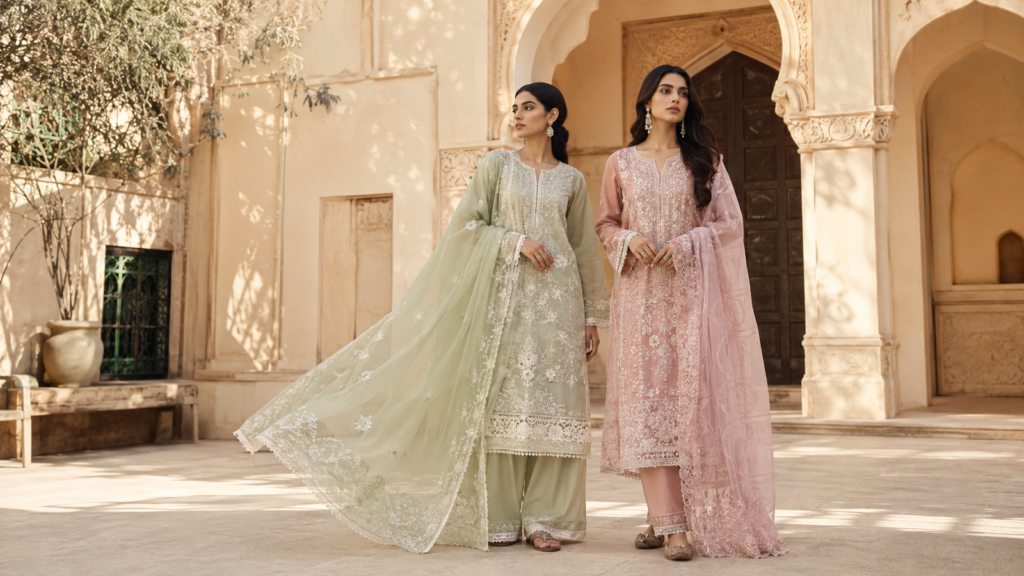
A pocket is useful only when its position and purpose work for the wearer. Before adding pockets to a tailored suit, decide what you expect to carry and where you naturally reach. Then ask the tailor to assess the actual garment and fabric. Planning pockets early gives the design conversation more options than requesting them after the shirt or trousers have already been finished.
Give the pocket a defined purpose
List the items you realistically want to keep there. A handkerchief, a small card holder and a phone create different size and access questions. Bring the actual item or its dimensions to the appointment if that helps explain the requirement.
Avoid treating a pocket as storage for everything you might carry. Decide which objects belong in your bag instead. A focused purpose makes it easier to assess whether the proposed pocket fits the outfit and the way you intend to use it.
Choose the garment and side deliberately
Consider whether you prefer a shirt pocket, a trouser pocket or another arrangement the tailor judges suitable. Think about your dominant hand, handbag position and the actions you repeat during the day. Demonstrate where you naturally reach while wearing a reference outfit.
Ask the tailor to explain possible placements rather than prescribing one from a photograph. A side opening, border or shaped seam may affect the options. The specific garment deserves an assessment before the pocket location becomes a fixed instruction.
Review the appearance with contents
During the fitting, ask whether the proposed pocket position can be assessed with the item you plan to carry. Look at the standing and seated outline, then try accessing it in an ordinary way. Decide whether you like the result as part of the whole outfit.
For example, a phone may fit inside a proposed pocket but occupy a location you find awkward when sitting. That is useful information to discuss before construction is complete. Capacity and convenient placement are separate questions.
Record the construction decisions
- Which garment and side will contain the pocket?
- What is the intended opening and usable space?
- What material will be used for the pocket bag, if relevant?
- How will the placement relate to decoration or side openings?
- What additional work and cost are included?
Confirm changes with the tailor before cutting or altering the garment. Our side-slit planning guide helps connect shirt openings with pocket placement, while waistband comparisons provide context for trouser pockets.
Clarify whether pockets are planned on both sides or only one, and record that choice in the written brief.
Explore unstitched sets with pocket use included in the original brief. Practical details can be part of a polished outfit when their purpose, placement and effect on the finished shape are considered together rather than added as an afterthought.
Continue exploring Tailoring & Fit or browse the Feyorawears Style Journal.
Featured image: Feyorawears editorial illustration.