“The suit does not fit” describes your experience, but it gives customer support little information to work with. A more precise account separates the body area, the movement that reveals the problem and the garment measurement you are comparing.
You do not need to diagnose a pattern-making issue or share photographs you are uncomfortable sending. Start with a written description and measurements taken from the garment itself.
Name the location and the action
Describe where you feel the problem and when it happens. “The upper sleeves feel restrictive when I reach forward” is different from “the shoulder seam sits farther down my arm than expected.” Avoid turning both into a general request for a larger size.
For trousers, distinguish the waist, hip, rise and leg length. A comfortable waistband does not necessarily answer a concern about sitting, and a long hem may be separate from the overall fit.
Compare the same measurement method
Check whether the listing gives a body measurement, finished circumference or flat garment width. Follow the seller’s method if available. State the units and the precise starting and finishing points in your message.
If the chart simply says “chest” without explaining how it is measured, ask for clarification first. A comparison between a flat width and a full circumference can make a correct item appear dramatically different.
Build a useful message
- Identify the order, item code and selected size.
- State the area that feels wrong.
- Describe the movement or position that reveals it.
- Give the relevant garment measurement and units.
- Explain whether the item is unchanged since delivery.
- Ask for the applicable next step rather than assuming a particular outcome.
Keep the first message focused. A chronological account of every shopping decision can make the practical issue harder to find.
Work through a sleeve example
Imagine your shirt feels comfortable while standing with your arms down, but pulls when you reach for a bag. You could write: “Item ABC, size M. The upper sleeve restricts reaching forward. Measured flat at the point shown in the attached photo, the sleeve width is X centimetres. The item has not been altered.”
Ask whether that measurement matches the item’s specification and what options the seller can offer under the order terms. Do not replace X with a guess; measure or say that you need help identifying the correct point.
Choose photographs that respect your privacy
A flat garment photograph showing the tape may answer the measurement question without an image of you wearing it. If you choose a wearing photograph, frame only the area needed and remove unrelated personal details.
Use an overall view and a closer view when the location might otherwise be unclear. Avoid pulling the garment into a different shape for the photograph.
Wait for clarification before cutting, washing or altering the piece. A specific record gives both sides a clearer basis for deciding what should happen next.
For the next step, read observing shoulder fit and organising order details.
Compare the stated dimensions of the ready-to-wear collection with garments whose fit you already understand.
Continue exploring Quality & Buying or browse the Feyorawears Style Journal.
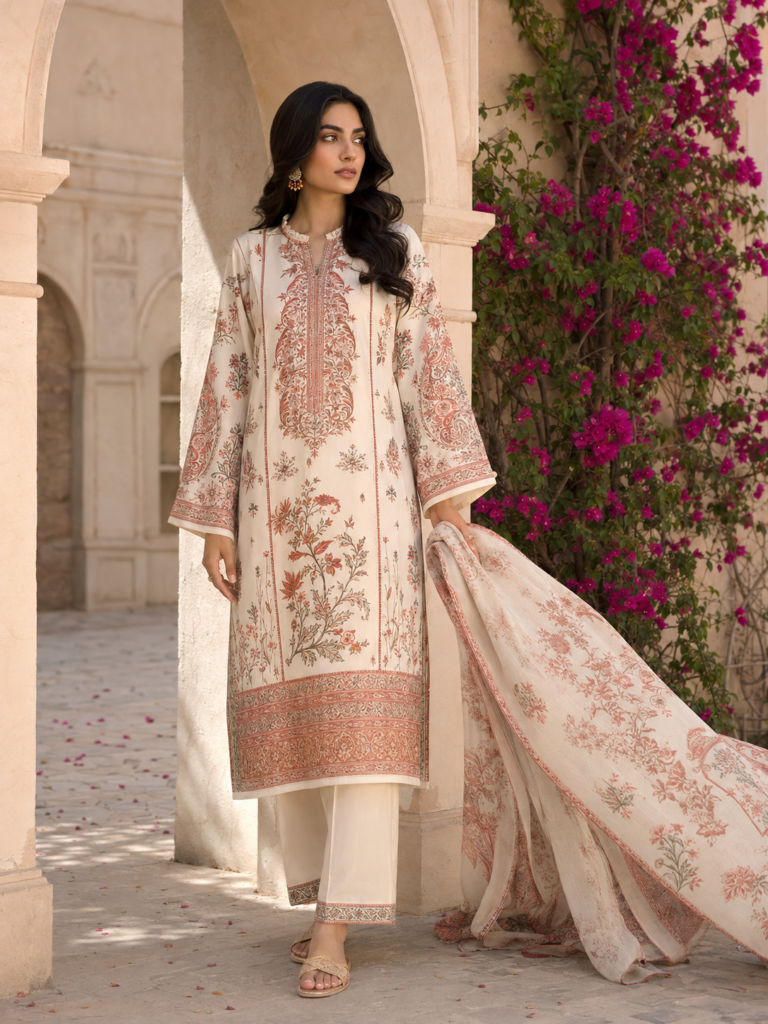
Featured image: Feyorawears editorial illustration.