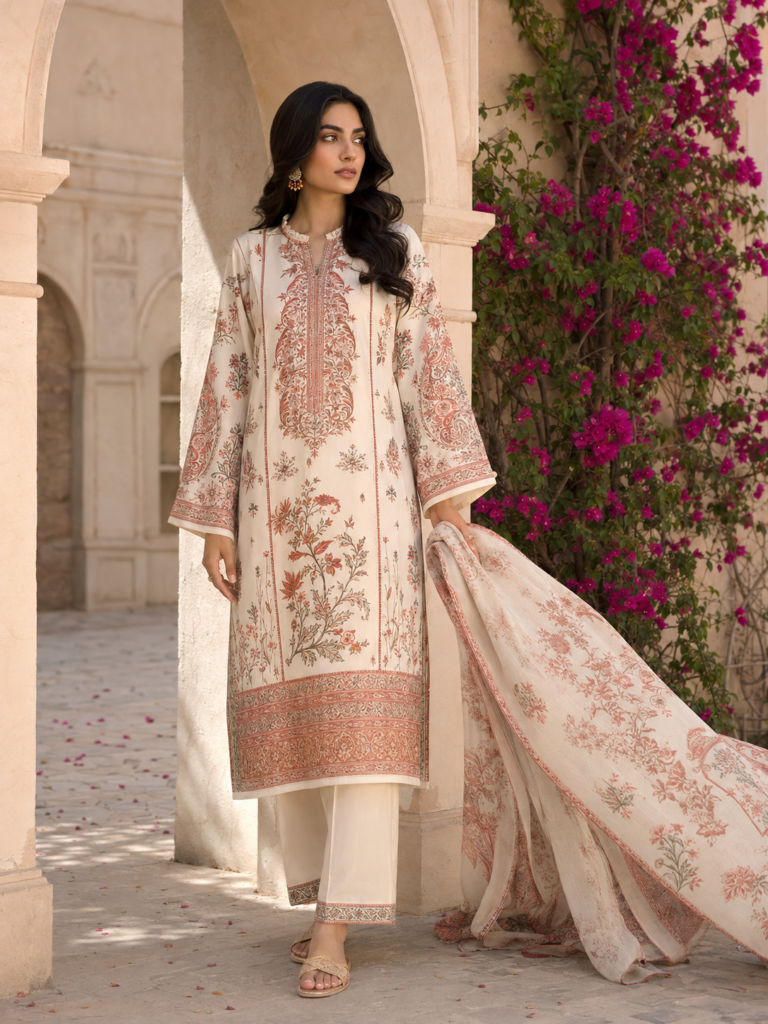
Short Kurta and Wide Trousers: Checking the Proportions
Plan a short kurta with wide trousers by comparing shirt and waistband placement, visible trouser length and your preferred balance from front and side views.
Practical clothing guides for comparing fabrics, included pieces and measurements before you buy.
Plan a short kurta with wide trousers by comparing shirt and waistband placement, visible trouser length and your preferred balance from front and side views.
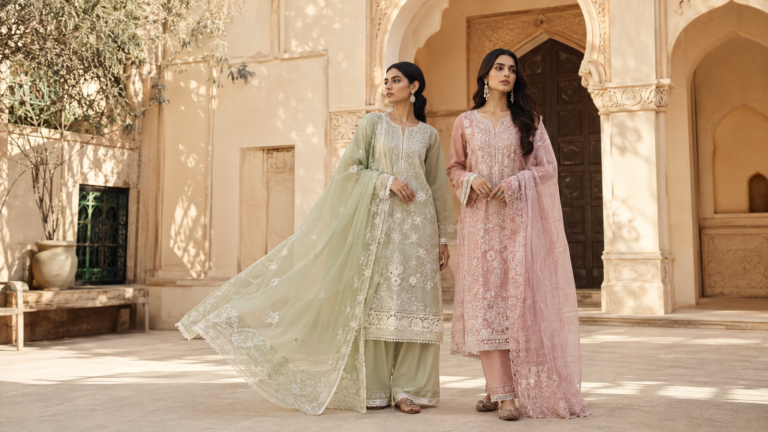
Balance a long kameez with straight trousers by checking the visible trouser section, shirt openings and footwear together before fixing either finished length.
Observe kurta shoulder fit before requesting alterations, using front, side and movement checks to describe the issue without diagnosing the pattern yourself.
Compare set-in and drop-shoulder sleeve measurements by checking where each measurement starts, then use a familiar garment to explain the finished reach you want.
Assess kimono-labelled sleeves in a Pakistani outfit through ordinary reach, side coverage and cuff position, with clear observations to discuss at a fitting.
Take clear Dhanak fabric length questions to your tailor, including width, panel layout and decorative pieces, before assuming a supplied cut will fit your design.
Read a winter suit label component by component, separating shirt, trouser, shawl and lining information so a material line does not hide important differences.
Compare cotton-linen and viscose-linen outfits using the disclosed percentages, component details and intended cut, instead of predicting performance from two names.
Build a khaddar-labelled outfit with a different-fabric dupatta by connecting colour and detail, recording each component’s dimensions and material information.
Assess a karandi-labelled suit through the actual texture, proposed cut and coverage you prefer, while asking for documented composition and component details.